Learn · Last reviewed October 31, 2026
Will my teen feel watched?
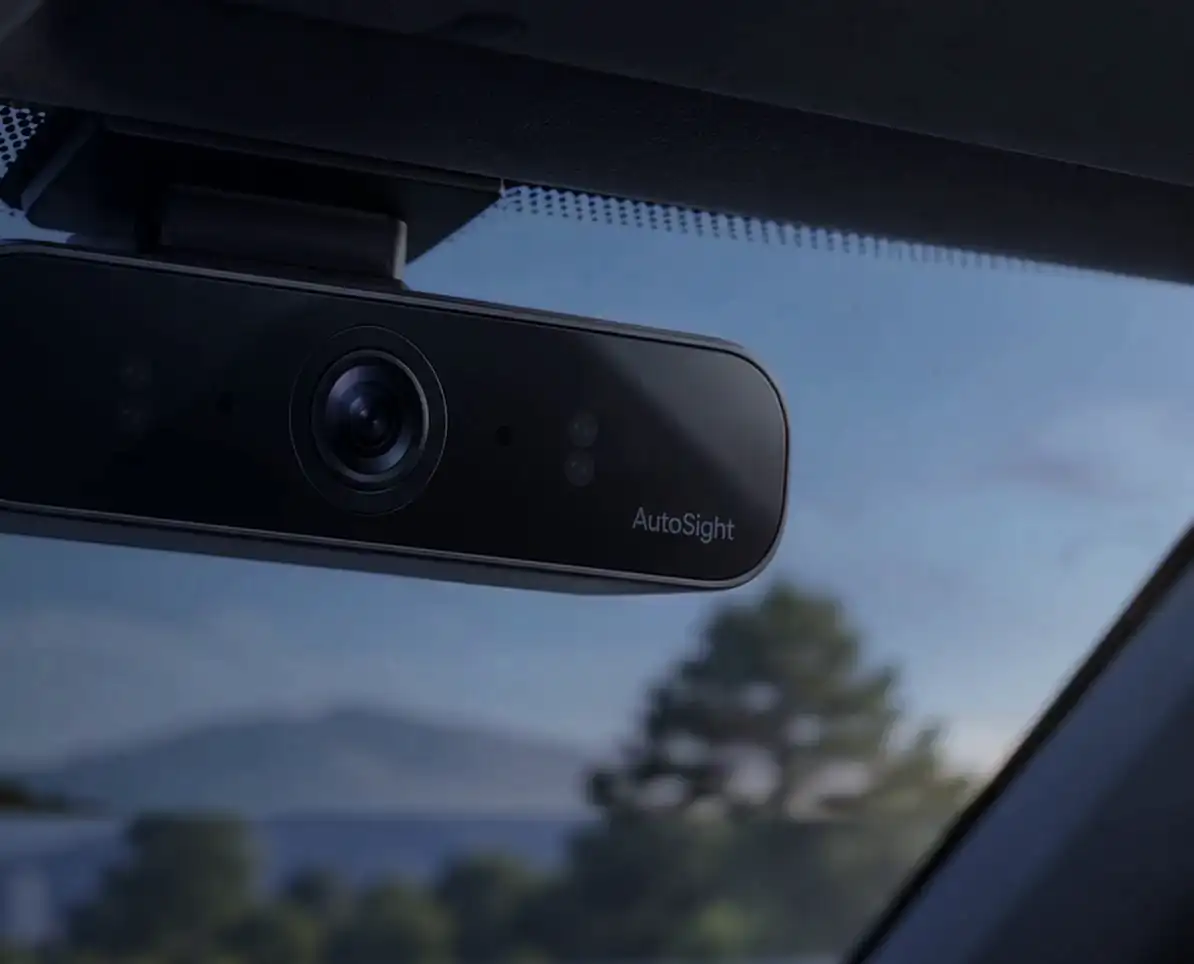
AutoSight One is built so they shouldn’t. It records no video, it speaks to the driver instead of reporting behind their back, and the driver sees each drive first. Parents see trends and the few moments that mattered, never footage.
Design concept
What does AutoSight One keep?
As little as it can and still coach.
- No video, no photos. Each camera frame is read in the car and thrown away. Nothing is saved or uploaded.
- A short trip summary. A Focus Score and each drift moment: when it happened, how long the eyes were away and which way they went. That’s what the chime is about, so that’s what’s kept.
- Drives stay in the car unless the family pairs the camera with the app. Shared drives are end-to-end encrypted, so AutoSight’s server can’t read them.
The details are in safety and privacy and the privacy policy.
Who sees a drive first?
The driver. The chime is for them, in the moment, while there’s still road to save. After the drive, they see their own Focus Score and the moments behind it before anyone else does. Parents see the trend over the week and short notes on what’s worth a conversation, not a recording of their teen’s face.
How is that different from a camera that sends parents clips?
It’s the opposite trade. TruceVision, a $149 camera for teen drivers, watches for phone handling, a missing seatbelt and risky driving, coaches the teen out loud, and saves a video clip of each flagged moment for the parent app. Families can turn its cabin camera off for road-only recording.[1] That gives parents proof. It also means footage of your teen exists, and they know it.
AutoSight One keeps no footage at all. It can’t show you what happened; it can make sure the driver noticed, at two seconds, every time. We’re betting that’s the difference between a tool a teen resents and one they leave plugged in.
What about privacy-first driving apps?
They’re a good sign. HeyPolo, described in a sponsored article as built by Surfshark’s cybersecurity and privacy team, says it’s “built around consent, not surveillance”: families choose what’s shared, from an exact location to a general area or nothing.[2] That’s the right standard. Apps like it and Life360 work from the phone: location, speed and phone use the phone can detect.[3] Neither describes watching where the driver is looking, which is the one thing AutoSight is for. Many families will use both. See them compared.
How do we talk about it together?
Before the first drive, not after the first chime.
- Decide together. Show your teen what it does and what it keeps. You can try the app demo together, parked.
- Agree on what parents will see. Trends and short notes, never video. Write it down if that helps.
- Set one goal. A Focus Score to reach this week is easier to talk about than a list of mistakes.
- Review drives the same way every time. The driver goes first, then a five-minute talk, no lecture.
- Treat the chime as a reminder, not a punishment. It’s doing its job when it rings less over time.
What if my teen says no?
Then don’t install it in secret. A coach only works if the driver trusts it, and a camera they didn’t agree to will feel like exactly what you don’t want it to be. Ask what would make it feel fair: maybe they see everything first for a month, or you agree to look only at the weekly score. Then try again.
Is AutoSight One available now?
Not yet. AutoSight One is a prototype: the first units come next, tested in parked cars before any road testing. Reserving one is free, with no payment and no commitment, and it holds the $129 founding price (planned retail $149). Near Raleigh, Durham or Chapel Hill? Ask to join the pilot.